

IV Catheter Placement at Home
Safe venous access for prescribed therapies, infusions or blood collection using sterile technique.
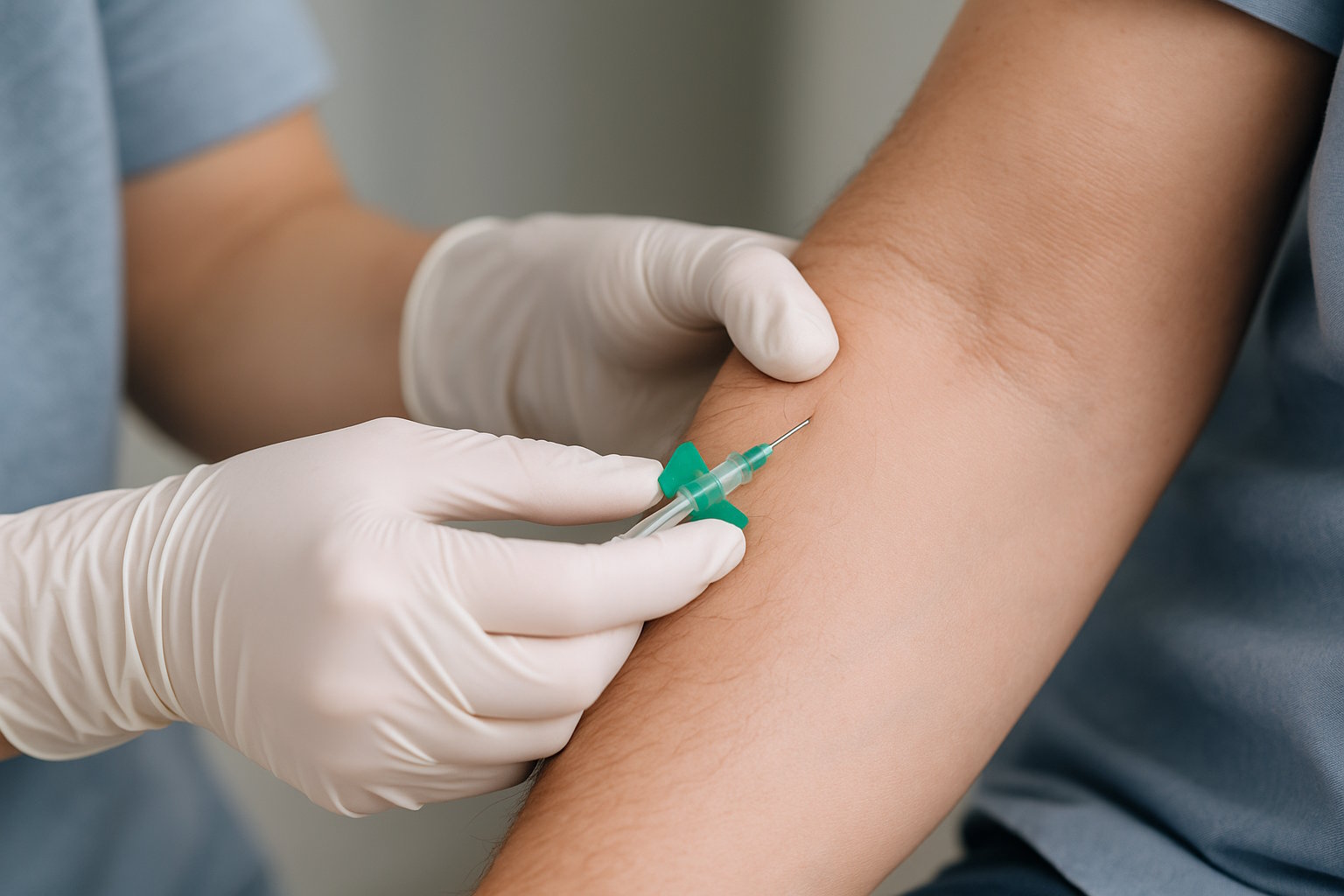
The procedure
- Preparation of sterile equipment, including the IV catheter, dressing, antiseptic and gloves.
- Selection of an appropriate vein according to the patient and the purpose of the procedure.
- Skin antisepsis and careful catheter insertion.
- Secure fixation and connection to the prescribed infusion system or injection cap.
- Documentation of the insertion date and monitoring for possible phlebitis or other complications.
When it may be needed
IV catheter placement may be required for prescribed intravenous medication, fluids or repeated blood sampling. It may also be part of longer-term treatment plans or be considered for patients with difficult venous access when medically appropriate.
Why choose Frontida
- Single-use sterile materials.
- Nursing staff experienced in IV therapy.
- Monitoring and prompt response to signs of complications.
- Discreet and safe service in your home.
Frequently asked questions
Does the procedure hurt?
Insertion is usually quick. Fine needles and appropriate technique are used to keep discomfort as low as possible.
How long does placement take?
Usually around 10–15 minutes including preparation and disinfection.
How long can an IV catheter remain in place?
This depends on the catheter, treatment plan and clinical condition. The nurse follows the treating physician’s instructions and current clinical guidance.
Contact: 2531 556153 • 694 920 48 05 • 690 908 03 90 • irfankarayusuf@gmail.com • 78 Leoforos Iroon, Komotini, Greece.